
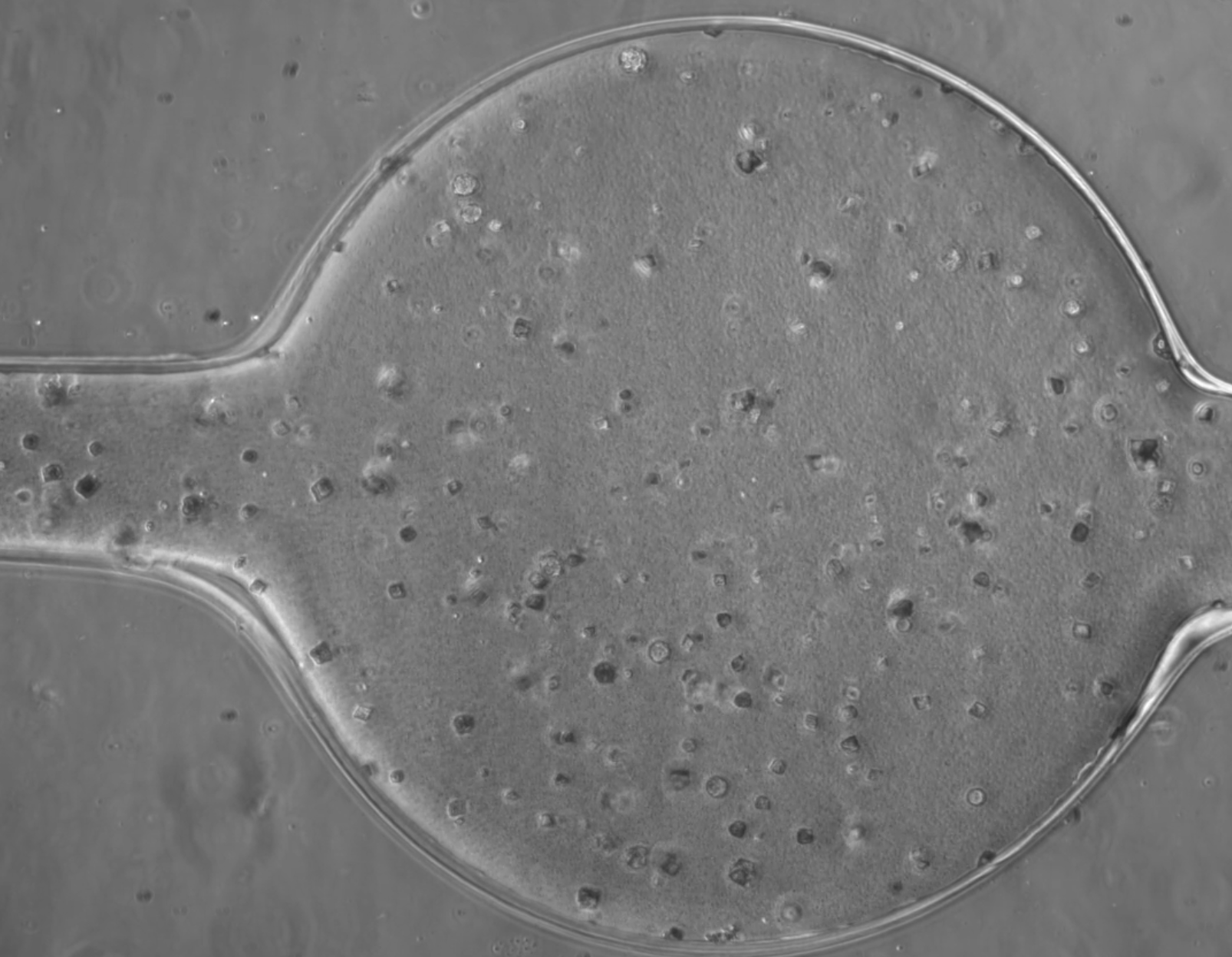
Biomineralization
Biomineralization or MICP (Microbially Induced Calcium Carbonate Precipitation) is a microbiologically driven process that enables the formation of calcium carbonate. Through enzymatic activity via bacterial urease, urea is converted to ammonium and carbonate. If calcium is present, calcium carbonate precipitates as crystals.
High Strength Material
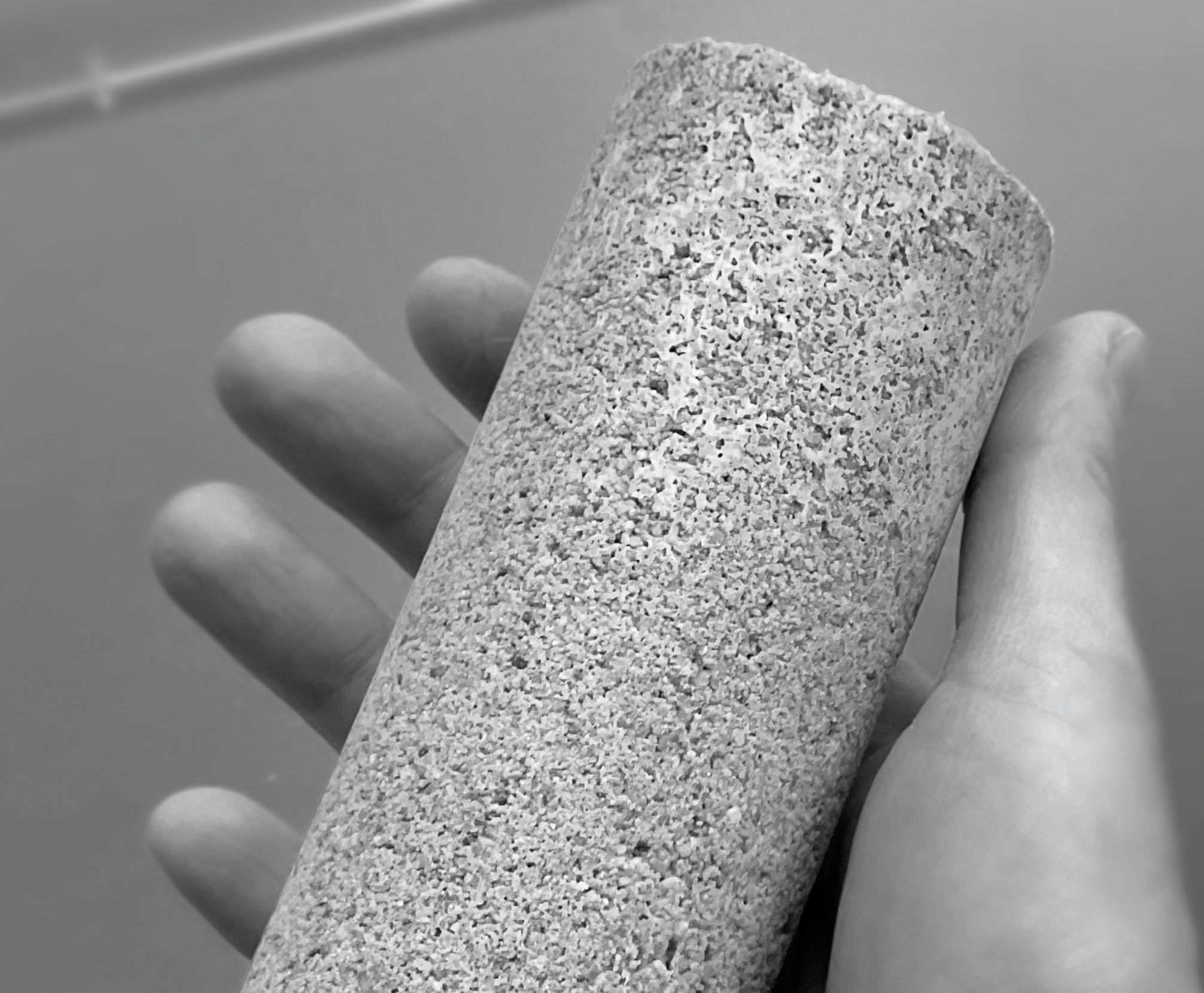
During the process of biomineralization, CO₂ is bound in mineral form as carbonate. Biomineralization can be used to consolidate sand grains in formworks to get a sandstone-like material. In contrast to natural calcerous sandstone, this material can be molded like concrete.
So far our research group has successfully produced biomineralized specimens with compressive strengths of more than 50 MPa, making biomineralization a viable option for producing certain types of structural building elements.
Human Urine as a resource
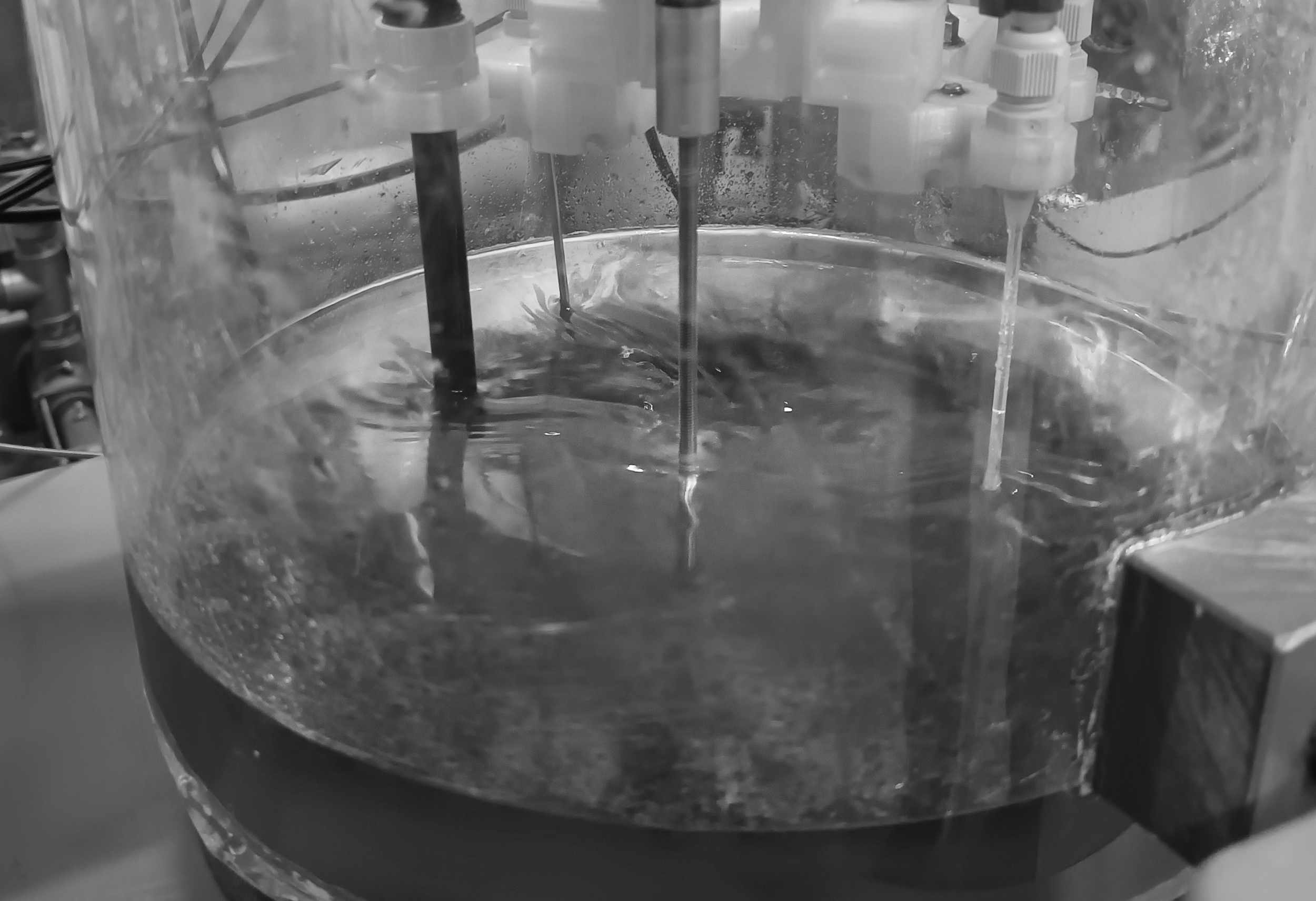
Human urine, a rich source of urea, phosphorus, and potassium, represents a sustainable feedstock for the integrated production of biomineralized construction materials and fertilizers. In this process, the urea in urine serves as a key agent in biomineralization, during which ammonium is generated through hydrolysis and can subsequently be recovered for use in fertilizer manufacturing.